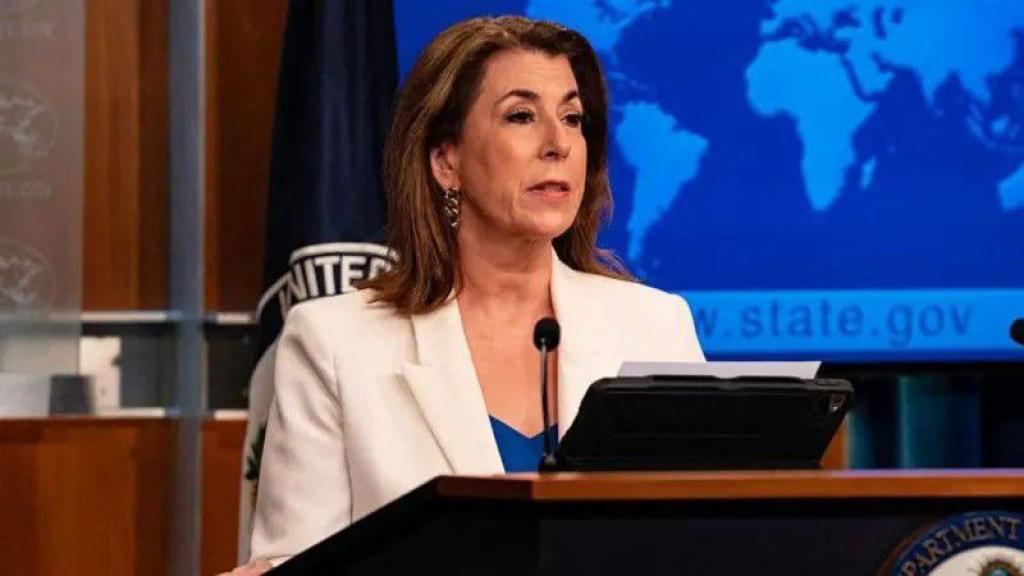
Addressing the council, U.S. Ambassador to the UN, Tami Bruce, asserted that Israel, like any other sovereign nation, possesses the full autonomy to determine its international partners. “As any sovereign nation, Israel has the right to establish diplomatic relations,” the Ambassador stated, framing the decision as a matter of national prerogative.
Ambassador Bruce also challenged what she described as a "double standard" within the Security Council. She pointed out that while several member states recently moved to recognize Palestinian statehood, those actions did not trigger similar emergency meetings. She criticized the council for failing to maintain a consistent stance on the issue of unilateral recognition.
Somalia Decries "Aggression" The announcement was met with fierce opposition from Somalia. Although not a permanent member of the Security Council, Somali Ambassador Abukar Osman was granted the floor to condemn Israel’s move. Osman characterized the recognition as an "act of aggression aimed at dividing Somali territory" and urged the council to issue an unequivocal condemnation of the move.
While most council members refrained from naming Israel directly, a significant number reaffirmed their commitment to the territorial integrity and sovereignty of Somalia, signaling a cautious approach to the Horn of Africa’s delicate political landscape.
U.S. Position on Somaliland Despite defending Israel’s right to make its own diplomatic choices, the United States appears to be maintaining its own long-standing policy. When asked whether the U.S. would follow suit in recognizing Somaliland, President Donald Trump reportedly responded, "Not for the time being," suggesting a preference for regional stability over immediate policy shifts.
This development marks a significant shift in the geopolitics of the Horn of Africa, as Somaliland continues its decades-long quest for international legitimacy, while Somalia remains steadfast in its claim that the region remains an integral part of its territory.